Comic Hot: A Vibrant Color Font for Web Design
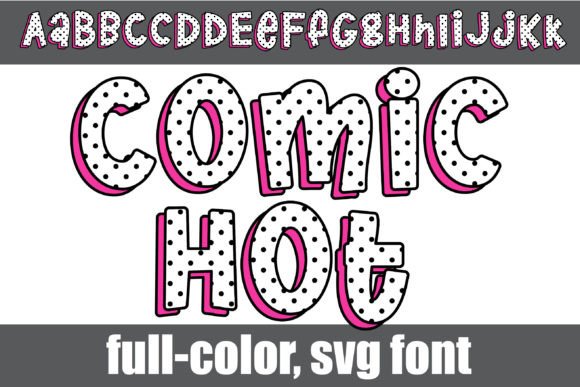
In the fast-paced world of digital product creation, establishing an immediate visual connection with your audience is paramount. As web designers and UI specialists, we often rely on safe, neutral typography to ensure readability, but this can sometimes result in sterile interfaces that lack personality. This is where Comic Hot steps in as a transformative tool for brand identity. Unlike traditional single-color typefaces, this full-color font introduces a dynamic layer of visual interest directly through its glyphs. Featuring comic-style lettering rendered in bold pink and black, it offers a playful yet structured aesthetic that can instantly elevate a landing page, hero section, or digital advertisement from generic to memorable.
The core appeal of Comic Hot lies in its ability to function as both text and graphic element simultaneously. In modern web design, we strive to reduce load times and simplify asset management. By using a color font, you eliminate the need for complex CSS gradients, SVG overlays, or image-based text for headlines. The font itself carries the design intent. The high-contrast combination of pink and black creates a natural visual hierarchy, drawing the eye immediately to key messages. This is particularly effective for conversion-focused layouts where the goal is to guide the user's attention to a specific call-to-action or value proposition without visual clutter.
Enhancing Visual Hierarchy and Brand Tone
When integrating Comic Hot into a website or app interface, the primary consideration is how it influences the overall tone. The comic style suggests approachability, creativity, and energy. It is an excellent choice for brands that want to appear friendly and accessible rather than corporate and rigid. For instance, a coaching website, a boutique online store selling creative supplies, or a portfolio site for a digital illustrator can leverage this typeface to reinforce their brand voice. The pink accents add a touch of warmth and modernity, while the black outlines ensure the letters remain distinct and legible against various backgrounds.
However, usability must always drive design decisions. While Comic Hot is striking, it is best utilized as a display font for headers, short phrases, and logo text rather than long-form body copy. The intricate details and dual-color nature of the glyphs can become visually noisy if used in large blocks of text, potentially hindering readability on smaller mobile screens. Instead, reserve it for H1 and H2 tags, navigation elements, or button labels where its impact is maximized. Pairing it with a clean, neutral sans serif font for paragraph text creates a balanced rhythm, allowing the decorative qualities of the color font to shine without overwhelming the user.
Practical Applications in Digital Layouts
The versatility of Comic Hot extends across various digital touchpoints. Consider its application in a product landing page for a SaaS founder targeting a younger demographic. Using this font for the main headline can break the monotony of standard tech marketing, signaling innovation and fun. Similarly, for online store owners, Comic Hot works exceptionally well in banner graphics and sale announcements. The inherent contrast helps the text pop against busy background images or solid color blocks, ensuring the message is scanned and understood quickly.
For content creators and bloggers, this typeface offers a unique opportunity to brand social media graphics and course sales pages consistently. When users see the distinctive pink and black lettering across your blog header, email newsletter, and Instagram stories, it reinforces brand recognition. It acts as a visual anchor, making your content instantly identifiable in a crowded feed. Furthermore, because it is a system-accessible color font, designers can utilize the alternate characters included in the set. By accessing these alternates through the character map in design software or via OpenType features in supported browsers, you can vary the look of repeated words, adding subtle diversity to your layout without switching fonts.
Technical Considerations for Web Implementation
Implementing a color font like Comic Hot requires attention to technical details to ensure a seamless user experience. First and foremost, verify the file formats available. For web use, WOFF2 support for color fonts (such as COLR/CPAL or SVG-in-OT) is essential for cross-browser compatibility. While modern browsers handle these formats well, it is prudent to have a fallback strategy for older systems, perhaps by serving a static image of the logo or critical headline if the font fails to load. Additionally, pay close attention to contrast ratios. Although the black outline provides definition, the pink fill may not meet WCAG accessibility standards when placed on light backgrounds or over low-contrast images. Always test your headings on both dark and light modes to ensure legibility for all users.
Responsive design is another critical factor. On mobile devices, the detailed strokes of a comic-style font can blur if scaled too small. Ensure that any text set in Comic Hot maintains a sufficient pixel size to preserve the integrity of the color layers. Avoid using it for small UI labels, footnotes, or dense navigation menus. Instead, let it breathe in spacious hero sections or dedicated feature blocks where it can serve as a focal point.
Font Pairing and Licensing Essentials
To create a cohesive brand identity, thoughtful font pairing is necessary. Since Comic Hot is expressive and decorative, it pairs beautifully with understated typefaces. A geometric sans serif provides a modern counterpoint, keeping the design feeling current and professional. Alternatively, pairing it with a classic serif font can create an interesting editorial juxtaposition, blending playfulness with tradition. The key is to let Comic Hot be the star while the supporting typography handles the heavy lifting of information delivery.
Finally, before deploying Comic Hot in client projects or commercial products, review the licensing terms carefully. Commercial font licenses vary significantly; some may cover web embedding and digital ads, while others might require separate agreements for app integration or merchandise. Ensure your license covers all intended uses, from your own portfolio site to paid client deliverables. By respecting intellectual property and understanding the technical capabilities of the font, you can confidently integrate this vibrant typeface into your design toolkit, creating digital experiences that are not only functional but also full of character and life.